Open Your Dogs Potential: A Comprehensive Overview to Reliable Dog Training Methods
Disclosing a dog's possible entails more than basic obedience. It needs a profound understanding of canine behavior and efficient training strategies. Favorable reinforcement plays an essential function in cultivating a strong bond and encouraging desired actions. In addition, socializing and resolving behavioral concerns are vital elements. As proprietors explore these techniques, they will uncover the nuances that result in a well-adjusted and confident canine friend. The journey to efficient training is just beginning.
Recognizing Your Dog's Habits
Comprehending a dog's behavior is essential for efficient training and interaction. Pet dogs, as social animals, display different habits that can show their feelings and demands. Observing body movement, such as tail placement, ear orientation, and pose, supplies understandings right into a dog's mood-- whether they are unwinded, nervous, or hostile. Additionally, articulations like barking, yawping, or growling convey various significances, typically mirroring their state of mind. Recognizing these signals permits proprietors to react suitably, promoting a stronger bond. Socializing experiences likewise form behavior, influencing how pets engage with other animals and humans. By extensively recognizing these behavioral cues, owners can produce a much more harmonious environment, resulting in more successful training outcomes and boosted communication with their canine buddies.
Favorable Support Training
Advantages of Positive Support
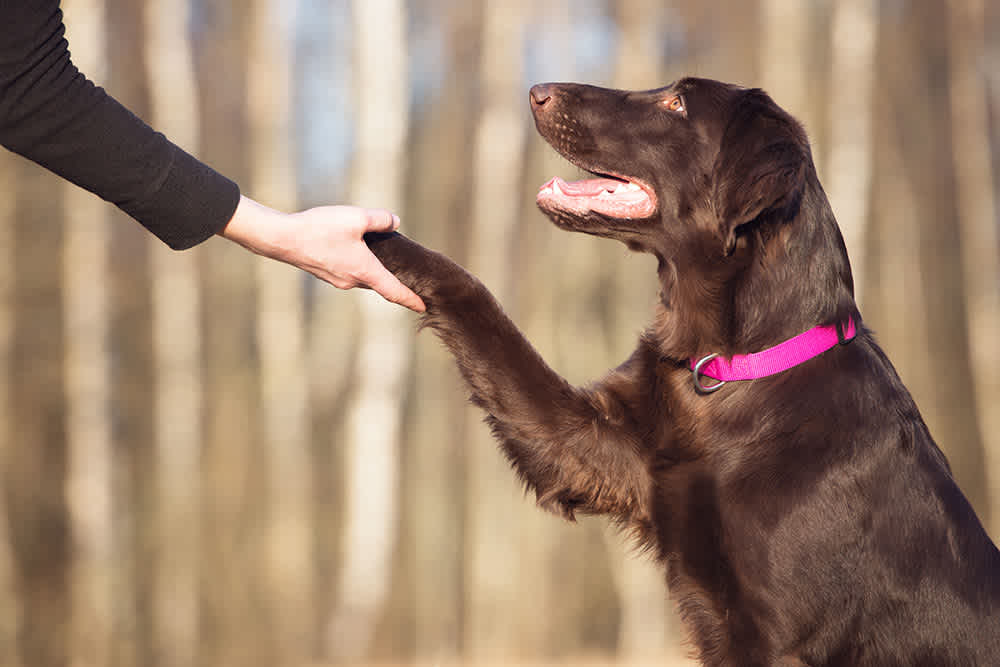
Compassionate training methods have actually acquired significant recognition in the area of pet training, especially with the usage of positive reinforcement. This approach emphasizes rewarding desired actions instead of penalizing unwanted ones. The benefits of positive support are countless. To start with, it fosters a strong bond in between the pet and handler, advertising trust and teamwork. Additionally, canines trained using this method are frequently a lot more determined to learn, as they link training with positive experiences. Additionally, favorable support can lead to resilient behavioral adjustments, as it motivates dogs to repeat habits that generate rewards. Finally, this technique minimizes stress and anxiousness, creating an extra pleasurable understanding atmosphere. On the whole, the performance of positive reinforcement makes it a favored selection among dog trainers and owners alike.
Techniques for Reliable Training
Reliable training techniques build on the structures laid by positive support. This approach encourages preferred actions via incentives, fostering a favorable understanding setting. Methods such as remote control training and treat-based incentives efficiently connect to canines what actions are valued. Consistency is vital; commands must be clear and rewards immediate, enhancing the connection in between actions and end result. Furthermore, differing rewards-- utilizing treats, praise, or play-- can keep a dog's motivation. Integrating short training sessions enhances focus and retention, while gradually boosting difficulty aids pets develop confidence. Socializing with other pet dogs and individuals can also be integrated, enabling real-world practice of learned behaviors. Ultimately, these techniques create a solid bond in between canine and owner, facilitating effective communication and mutual understanding.
Fundamental Commands Every Dog Ought To Know
A solid foundation of basic commands is essential for each pet dog, as it fosters communication in between the proprietor and the animal. Key commands include "rest," "stay," "come," "down," and "leave it." These commands not only develop a structure for obedience yet also enhance safety and security throughout strolls and trips. Instructing "rest" gives an easy way for canines to react to demands, while "remain" strengthens patience. The command "come" is vital for assuring a dog returns when called, lowering the risk of accidents. "Down" encourages peace, and "leave it" assists protect against undesirable actions, such as scavenging. Consistent training with positive reinforcement warranties that dogs understand and react dependably, ultimately strengthening the bond between proprietor and animal.
Socializing: The Key to a Well-Adjusted Dog
Socializing offers as a keystone in establishing a well-adjusted canine, forming habits that promote consistency in numerous settings. Through direct exposure to different people, animals, and setups, pets discover to browse social communications and create self-confidence. Early socializing, ideally throughout the crucial duration between 3 to 14 weeks old, allows young puppies to form positive associations, minimizing the chance of fear and anxiousness later in life. Taking part in pup classes, monitored playdates, and varied getaways can enhance a dog's adaptability and decrease sensitivity. Furthermore, continuous social experiences throughout a dog's life are important for keeping their social abilities. By focusing on socialization, owners promote a well balanced, friendly companion that grows in diverse situations.
Attending To Behavioral Issues
Lots of pet dogs encounter behavioral issues that can interrupt their partnership with proprietors and hinder their total well-being. Usual issues include too much barking, eating, and hostility, which read the article commonly come from concern, stress and anxiety, or lack of training. Identifying the root cause is necessary for reliable treatment. Regular training and positive reinforcement can assist change unwanted behaviors. As an example, satisfying tranquil habits can minimize barking, while offering proper eat playthings can discourage harmful eating. Furthermore, creating a structured regimen can enhance a dog's complacency, bring about improved actions. Owners must continue to be individual and understanding, as dealing with these issues may call for time and persistence. With the right approach, several behavior worries can be successfully handled, promoting a much healthier bond in between pet dog and owner.
Advanced Training Techniques for Enthusiastic Learners
Advanced training techniques can boost the skills of passionate students and their canine friends. Methods such as remote control training, dexterity principles, and progressed obedience abilities offer structured techniques to improve interaction and performance (Board and Train Freeport Florida). These strategies not just foster a stronger bond between pet dog and trainer but additionally offer psychological stimulation for the pet
Clicker Training Techniques
Clicker training has become a prominent and efficient technique for pet dog instructors looking for to boost their canine companions' knowing experience. This positive reinforcement method employs a little handheld tool that releases an unique sound, noting preferred actions instantly. By associating the audio of the clicker with incentives, such as treats or praise, pets quickly learn to link specific activities with positive results.

Trainers can make use of clicker training for various commands, methods, and also resolving behavioral issues. Consistency is necessary; each click should be adhered to by a reward to strengthen the behavior. Dog Training Freeport Florida. Furthermore, this approach fosters a bond between the instructor and pet, as it motivates communication and understanding. With practice, both amateur and experienced trainers can efficiently implement clicker training techniques
Dexterity Training Basics
Building on the concepts of positive reinforcement exhibited in clicker training, dexterity training presents dogs to a collection of obstacles designed to examine their responsiveness, control, and speed. This vibrant sporting activity is composed of various components, such as jumps, tunnels, and weave poles, urging dogs to navigate with programs with precision. Trainers play a vital role, making use of verbal signs and body movement to direct their family pets effectively. First training concentrates on acquainting pet dogs with each challenge, guaranteeing they really feel certain and inspired. As pet dogs progress, they learn to complete entire training courses, improving their fitness and mental skill. Eventually, agility training not only cultivates a much deeper bond in between pet and trainer yet additionally provides an electrifying outlet for a dog's power and knowledge.
Advanced Obedience Skills
While lots of canine owners start with standard commands, diving right into sophisticated obedience abilities can greatly enhance a dog's training experience and responsiveness. Advanced skills such as off-leash heeling, distance commands, and complicated tricks not only challenge the pet dog emotionally yet additionally reinforce the bond between the proprietor and their pet. Strategies like remote control training, pen training, and favorable support are essential in this stage. Uniformity and persistence are essential, as pets need time to master these abilities. Integrating interruptions during training sessions can improve focus and integrity. Taking part in advanced obedience not only makes training delightful yet also fosters a hospitable and confident canine friend, ready hop over to these guys to deal with brand-new obstacles with excitement.
Regularly Asked Questions
The length of time Does It Require To Train a Canine Effectively?
Training a dog effectively can take anywhere from a few weeks to a number of months, depending on elements like the pet dog's age, breed, personality, and the consistency of the training approaches applied by the proprietor.
Can Older Dogs Learn New Tricks?
Yes, older pet dogs can find out new methods. With patience, consistency, and positive support, they often adjust well to training. Their willingness to discover might stun their proprietors, verifying that age does not restrict discovering possible.
What Should I Do if My Dog Declines to Pay Attention?
If a dog rejects to listen, the proprietor ought to stay calm and patient, reassess the training technique, guarantee disturbances are reduced, and take into consideration using favorable support strategies to urge wanted actions properly. Dog Training Freeport Florida.
Exactly how Do I Maintain My Dog's Training With time?
To maintain a dog's training gradually, consistent reinforcement of learned commands, normal practice, and favorable benefits are necessary. Additionally, incorporating training into everyday regimens maintains abilities fresh and strengthens the bond in between owner and pet dog.
Are There Any Kind Of Training Techniques to Prevent?
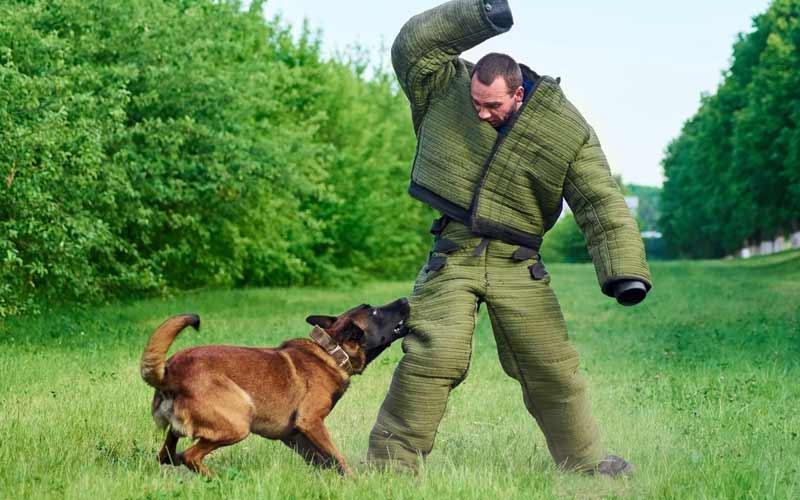
Specific training methods need to be this hyperlink stayed clear of, such as those using physical punishment, scare tactics, or extreme force. Positive support strategies are suggested instead, fostering trust and a healthy and balanced bond between the dog and its owner.
Caring training approaches have acquired substantial acknowledgment in the area of pet training, particularly via the usage of positive reinforcement. In enhancement, pet dogs trained using this technique are commonly more inspired to discover, as they connect training with positive experiences. Structure on the concepts of favorable reinforcement exemplified in remote control training, agility training presents canines to a collection of obstacles designed to examine their speed, responsiveness, and control. While several canine proprietors start with fundamental commands, diving right into innovative obedience abilities can substantially boost a dog's training experience and responsiveness. To maintain a dog's training over time, consistent reinforcement of found out commands, regular method sessions, and positive benefits are essential.